Best Weed Barrier for Beginners by Weight and Width
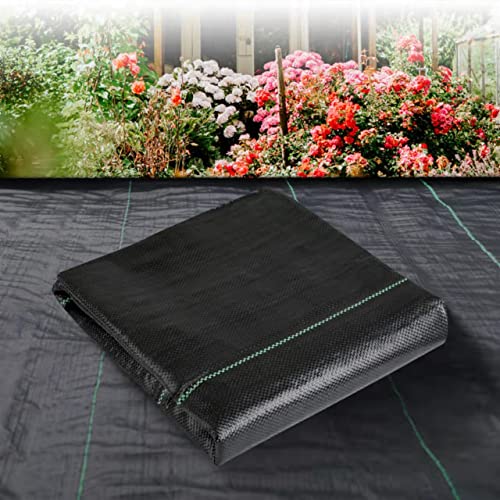
A first weed barrier should be light enough to unroll alone and narrow enough to line up straight. Here are six landscape fabrics ranked for the beginner who wants a clean, low-fuss bed.

By Taylor MontgomeryUpdated 16 min read
On this page
- Best weed barrier for beginners at a glance
- How I screened these six landscape fabrics
- What actually decides your first weed barrier
- 1. LGJIAOJIAO 3ftx50ft Weed Barrier Landscape Fabric — Best overall
- 2. VEVOR Weed Barrier Landscape Fabric — Best premium
- 3. Kijamilee Weed Barrier Landscape Fabric Heavy Duty — Best budget pick
- 4. AGEGOMIC Biodegradable Weed Barrier — Best minimal setup
- 5. Groweco 4FTX100FT Weed Barrier Landscape Fabric Heavy Duty — Best for pros
- 6. Vanver 4ft x 300ft Weed Barrier Fabric — Runner-up
- Woven fabric or biodegradable paper for a first bed?
- How wide a roll should a beginner buy?
- What the listings do not tell you
- The verdict
- FAQ
The best weed barrier for beginners is the LGJIAOJIAO 3ftx50ft Weed Barrier Landscape Fabric, a 3.2oz woven fabric on a 3ft-wide roll that one person can unroll and cut without help. If you are covering a whole yard in one go, the VEVOR 5x250FT 5oz fabric is the better buy. The deciding factor here is not toughness. It is whether the roll is a size you can actually handle alone. Most first-timers buy far more fabric than their bed needs, then fight a heavy roll they cannot line up. Match the roll to the job first.
Best weed barrier for beginners at a glance
| Pick | Roll size | Weight/weave | Price |
|---|---|---|---|
Best overall LGJIAOJIAO 3ftx50ft Weed Barrier |
3 ft x 50 ft | 3.2oz woven | Check Price |
Best premium VEVOR Weed Barrier Landscape Fabric |
5 ft x 250 ft | 5oz woven, 36.4 lb | Check Price |
Best budget pick Kijamilee Weed Barrier Fabric |
1.3 ft x 50 ft | woven, dual layer | Check Price |
Best minimal setup AGEGOMIC Biodegradable Weed Barrier |
4 ft x 100 ft | kraft paper | Check Price |
Best for pros Groweco 4FTX100FT Weed Barrier |
4 ft x 100 ft | 3.2oz claim | Check Price |
Runner-up Vanver 4ft x 300ft Weed Barrier |
4 ft x 300 ft | 3.2oz claim | Check Price |
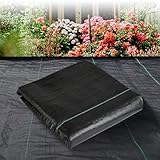




A note before you scroll. The search behind this guide asked for beginner-friendly fabric, but none of these listings is sold with a beginner in mind. So I am not going to promise any of them is "made for" first-timers. What I can do is line up the published sizes and weaves and tell you which roll a new gardener can handle without a second pair of hands. That is what the sections below do.
How I screened these six landscape fabrics
I started with the specifications, not the marketing. Every one of these six sits in the same Weed Barrier Fabric category, so the field was already narrowed. From there I looked at what a beginner actually touches: roll width, roll length, and weave weight where it is published.
Here is what I cut and why:
- Anything with no usable size figure was set aside. A fabric you cannot measure before buying is a gamble.
- Rolls too heavy to move alone dropped down the ranking. The VEVOR fabric weighs 36.4 lb, which is fine for a big job but wrong for a first bed.
- Extreme lengths lost points for the beginner use case. A 300 ft roll is a lot of leftover fabric for someone lining one border.
What survived is six real products at genuinely different sizes. The winner is the one whose roll a single person can carry, unroll, and cut straight without fighting it. The others each win under a specific condition, which I name in each section. No fabric here was judged on how it feels in the hand, because I have not handled any of them. The ranking is built on the published sizes and the manufacturer's own claims, clearly attributed.
What actually decides your first weed barrier
Most guides compare weave weight in ounces and call it a day. That is the wrong lead for a beginner. A 5oz fabric blocks more than a 3.2oz one, sure, but a heavier weave also means a heavier, stiffer roll that is harder to line up on your first try. Toughness is not what trips up new gardeners.
Roll width is. A narrow roll lies flat and stays straight. A wide roll wants to twist and pucker as you pull it, and lining up a second strip against a wobbly first one is where beginners give up. This is why the 3ft-wide LGJIAOJIAO wins over the wider VEVOR for a first project.
Three things actually decide the best weed barrier for beginners:
- Width you can control. 3 ft to 4 ft lies flat for one person. Wider needs a helper.
- Length that matches the bed. Measure the bed, then buy the next size up, not the biggest roll.
- Whether you want it gone later. Woven fabric is permanent. Paper breaks down. That choice changes everything.
Get width right and the rest is cutting with scissors and pinning it down.
1. LGJIAOJIAO 3ftx50ft Weed Barrier Landscape Fabric — Best overall
A 3ft-wide, 3.2oz woven roll is the easiest thing here for one person to lay straight, which is exactly what a first-timer needs.
Best for: a first raised bed or narrow border Skip it if: you need to cover a wide open area fast
What sets this pick apart in the set is the balance of its numbers. The roll is 3 ft x 50 ft at a 3.2oz weave, which is the most manageable combination of the six. The VEVOR is wider and heavier, the Vanver is far longer, and the Kijamilee is narrower. This one sits in the sweet spot for a beginner: wide enough to line a bed in a strip or two, short enough that you are not wrestling hundreds of feet.
LGJIAOJIAO describes the weave as heavy duty with high tensile strength and tear resistance, and says it lets water and nutrients flow through to the soil below. Those are the maker's claims, not something I verified, but the 3.2oz figure is consistent with a fabric that holds up under mulch. The listing also calls it super easy to install without professionals, which matches its size more than its marketing.
It sells faster than most of this set, and it comes in as the second-cheapest of the six. The trade-off against the VEVOR is coverage: at 50 ft you will run out sooner on a big yard.
Pros:
- 3 ft width one person can lay flat
- Manageable 50 ft length for a first bed
- 3.2oz woven weave, sturdy under mulch
- Second-cheapest of the six here
- Sells faster than most in this set
Cons:
- Only 50 ft, short for large yards
- No published weight to gauge bulk
- Single seller lists it
- Black weave shows through thin mulch
2. VEVOR Weed Barrier Landscape Fabric — Best premium
A 5 ft x 250 ft, 5oz roll that covers a whole yard in one buy, if you have a helper to move its 36.4 lb.

Best for: a large yard done in one weekend Skip it if: you have a single small bed
This is the heavyweight of the group, and I mean that literally. It weighs 36.4 lb and runs 5 ft x 250 ft at a 5oz weave, the thickest published here. If your project is big enough, buying one large roll beats splicing together several short ones, and this covers far more ground than any other pick.
VEVOR calls the PP material weatherproof and highly breathable, and says the fabric lets air and water pass through while keeping soil moisture in. The listing even names beginners and professionals both, and points out you can cut it to shape with scissors. That cutting note matters more than the beginner label: a 5 ft strip is a lot of fabric to line up alone.
It is the most expensive pick here, and several sellers stock it. For a first small bed it is overkill, and the weight alone makes it a two-person job. But for someone tackling a whole yard in one weekend, the 250 ft length and 5oz weave earn the price. Just know what you are lifting before it arrives.
Pros:
- Thickest 5oz weave in the set
- Covers 250 ft in one roll
- Weatherproof PP material, per VEVOR
- Cuts to shape with scissors
- Several sellers stock it
Cons:
- Heavy at 36.4 lb, needs two people
- Most expensive pick here
- 5 ft width hard to lay alone
- Far too much for one small bed
3. Kijamilee Weed Barrier Landscape Fabric Heavy Duty — Best budget pick
At 1.3 ft x 50 ft, this narrow strip is the cheapest here and the easiest to run along a path or a row edge.

Best for: narrow paths and row edging on a tight budget Skip it if: you want a wide sheet for a full bed
This is the narrow specialist of the six. At 1.3 ft x 50 ft, it is not meant to sheet an entire bed, and trying to force it into that job means overlapping many strips. Used for what it is, though, it shines: a slim run down a garden path, between rows, or along a border is exactly its size, and a strip that narrow is almost impossible to lay crooked.
Kijamilee calls the fabric 99.8% opaque to block UV and stop weeds, and describes a high-density woven, needle-punched dual-layer build that is weatherproof and UV stabilized. Those are the maker's descriptions. The listing has the fewest published specs of any pick, so beyond the size and colour code you are trusting the marketing more than usual here.
It is the cheapest of the six, and a couple of sellers list it. The narrow width is both its strength and its ceiling: perfect for edging, wrong for coverage. If your project is rows and paths rather than open beds, this is the low-cost way in.
Pros:
- Cheapest of the six here
- 1.3 ft width nearly impossible to lay crooked
- Dual-layer woven build, per Kijamilee
- Claimed 99.8% opaque against weeds
- Ideal for paths and row edging
Cons:
- Too narrow for full-bed coverage
- Fewest published specs in the set
- No weight or weave figure listed
- Many strips needed for wide areas
4. AGEGOMIC Biodegradable Weed Barrier — Best minimal setup
A 4 ft x 100 ft kraft paper roll that breaks down into the soil, so there is nothing to pull up at season's end.

Best for: a vegetable gardener who hates pulling fabric later Skip it if: you want a permanent multi-year barrier
This is the odd one out, and that is the point. Instead of woven polypropylene, it is 100% unbleached kraft paper, 4 ft x 100 ft, in a khaki colour. The pitch is that you never have to remove it. AGEGOMIC says microorganisms break the paper down over time, releasing organic compounds that feed the soil. For a vegetable gardener who dreads yanking up brittle old plastic fabric, that is a real appeal.
The maker describes an open-fiber structure that lets air and water circulate while gently diffusing sunlight, and says the thickened paper withstands moderate rain and wind through seasonal changes. Read those carefully: this is designed to last one season, not many. That is the whole trade.
It is roughly mid-range in price for this set, and a couple of sellers carry it. Its rank among buyers here is the slowest of the group, which fits a niche product. If you want a barrier gone by next spring with no cleanup, this is the minimal-fuss choice. If you want something that holds for years, it is the wrong tool entirely.
Pros:
- Fully biodegradable, no removal later
- 100% unbleached kraft paper
- 4 ft width sheets a bed in one pass
- Feeds soil as it breaks down, per AGEGOMIC
- Mid-range price for this set
Cons:
- Lasts a season, not years
- Slowest seller of the six here
- Paper less tough than woven fabric
- Wrong choice for a permanent barrier
5. Groweco 4FTX100FT Weed Barrier Landscape Fabric Heavy Duty — Best for pros
A 4 ft x 100 ft roll with printed green stripes for alignment, aimed at bigger jobs with long straight runs.

Best for: a bigger project with long straight runs Skip it if: you only have one small bed to line
The standout detail here is the green alignment stripes printed on the fabric. Groweco says they make lining up and trimming easier, and that is a genuinely useful feature when you are laying strip after strip across a large area. For someone graduating from one bed to a whole project, those guides take the guesswork out of overlaps.
Groweco describes the fabric as 3.2oz polypropylene with high permeability that lets water and air drain to the soil, which it frames as less time and money spent watering. The listing lists it as an underlayer for artificial grass, gravel paths, raised beds and driveways. As with several picks here, the 3.2oz figure lives in the marketing copy rather than a standardized spec, so treat it as the maker's claim.
At 4 ft x 100 ft it sits in the mid price range, and a single seller lists it. The stripes and the length make it more of a project fabric than a first-bed fabric. For a true beginner with one small border, it is more roll than you need, which is why it ranks below the shorter picks.
Pros:
- Green stripes ease alignment and trimming
- 4 ft width sheets a full bed
- 100 ft length for larger projects
- Claimed 3.2oz woven polypropylene
- Mid-range price in this set
Cons:
- Only size is published, few other specs
- 3.2oz figure is a marketing claim
- Single seller lists it
- Too much roll for one small bed
6. Vanver 4ft x 300ft Weed Barrier Fabric — Runner-up
The longest roll here at 300 ft, built for pathways and driveway edges rather than a single garden bed.

Best for: long pathways and driveway edges Skip it if: 300 ft is far more than you will ever use
This is the marathon roll. At 4 ft x 300 ft, it holds more fabric than any other pick, which is both its reason to exist and its problem for a beginner. If you are running a long gravel path, edging a driveway, or covering a large stretch, one continuous roll beats joining shorter ones. For one small bed, you will use a fraction and store the rest.
Vanver says the fabric is 3.2oz polypropylene, tear-resistant enough for foot and vehicle traffic, and that it blocks weeds while letting water and nutrients reach the soil. The listing frames it as versatile for gardens, farms, driveway stabilizing and erosion control. Those are the maker's claims. The vehicle-traffic note points at where this fabric belongs: heavy-duty runs, not delicate flower borders.
It is the second-most expensive pick here, and a couple of sellers carry it. Among buyers in this set it moves slower than the top picks, which tracks for such a large roll. It lands as runner-up because the sheer length works against the beginner it is supposed to serve. Right fabric, wrong scale for a first project.
Pros:
- Longest roll here at 300 ft
- 4 ft width sheets wide runs
- Rated for foot and vehicle traffic, per Vanver
- Claimed 3.2oz tear-resistant weave
- Several sellers stock it
Cons:
- 300 ft is overkill for one bed
- Second-priciest pick in the set
- 3.2oz figure is a maker's claim
- Storing leftover roll is a hassle
Woven fabric or biodegradable paper for a first bed?
This is the fork that changes your whole approach, so decide it before you compare anything else.
Woven polypropylene is the standard. Five of these six picks use it, from the 3.2oz LGJIAOJIAO to the 5oz VEVOR. It lasts multiple seasons, holds firm under mulch or gravel, and stays put. The catch: when you eventually want it gone, you have to dig it up, and old fabric can shred into a mess.
Biodegradable paper, like the AGEGOMIC kraft roll, does the opposite. It breaks down into the soil over a season, so there is no removal job waiting for you. AGEGOMIC says it even feeds soil biology as it decomposes. The catch is durability: paper will not hold for years the way woven fabric does.
Quick rule of thumb:
- Permanent border, gravel path, driveway edge? Woven.
- Vegetable bed you replant every year? Paper.
- Not sure yet? Woven is the safer default for a first project.
How wide a roll should a beginner buy?
Width is the single spec I would check first, so let me put the numbers side by side. The rolls here span from 1.3 ft to 5 ft, and that range covers three different jobs.
- 1.3 ft (Kijamilee): paths, row edges, narrow borders. Almost impossible to lay crooked.
- 3 ft (LGJIAOJIAO): the beginner sweet spot. Wide enough for most beds, narrow enough for one person.
- 4 ft (Groweco, Vanver, AGEGOMIC): full beds and long runs. Manageable, but a fuller pull.
- 5 ft (VEVOR): wide coverage fast, but a two-person lay for a beginner.
The instinct is to buy the widest roll to finish faster. Resist it. A 5 ft strip pulls unevenly and puckers when you are working alone, and lining a second strip against a wavy first one is where first beds go wrong. A 3 ft roll gives you a strip you can straighten by eye and pin down in minutes. Measure your bed, pick the width that covers it in one or two strips, and stop there.
What the listings do not tell you
A few gaps in this data are worth naming so you are not surprised later. None of these six publishes a warranty, so buy on size and weave, not on a promise of longevity. Several list only their size, with no weight, so you cannot judge bulk from the page: the 5 ft VEVOR is the only one with a published weight, 36.4 lb, and that number alone tells you it is a two-person roll.
The 3.2oz weave figure shows up in the Groweco and Vanver copy as a marketing line rather than a standardized spec, so treat it as a claim. And "UV stabilized" or "weatherproof" language appears across several listings without any test data behind it. That does not make it false. It just means the page is not evidence. Buy the roll size that matches your bed, plan to pin it down well, and cover it with mulch to protect the weave from sun regardless of what the listing claims.
The verdict
If you are lining one bed or a border by yourself, the LGJIAOJIAO 3ftx50ft is the best weed barrier for beginners, full stop. Its 3 ft width lies flat for one person, its 50 ft length is enough for a first bed without a mountain of leftovers, and its 3.2oz woven weave holds up under mulch. It is also the second-cheapest here, so nothing about it punishes a first-timer.
If you are covering a whole yard in one push, the VEVOR 5x250FT is the better buy. Its 250 ft length and 5oz weave mean you buy once and finish, and its only real cost to the beginner is the 36.4 lb weight that turns laying it into a two-person job.
The cutoff is roughly one small bed. Below that, go LGJIAOJIAO and stay in control of the roll. Above it, the VEVOR's coverage pays off. And if you never want to dig fabric back up, the AGEGOMIC paper roll steps outside that whole calculation by dissolving into the soil on its own. Match the roll to the job, and the install becomes cut-and-pin simple.
FAQ
Is a weed barrier worth it for a beginner?
A weed barrier is worth it for a beginner because it front-loads the work. You lay it once, cover it with mulch, and skip weeks of pulling weeds by hand. A manageable roll like the 3 ft LGJIAOJIAO makes the install a one-person job. The payoff is a bed that stays clean while you learn everything else about gardening.
How wide a roll should a beginner buy?
How wide a roll depends on your bed, but 3 ft to 4 ft is the beginner range. The 3 ft LGJIAOJIAO lays flat for one person and covers most beds in a strip or two. Skip the 5 ft VEVOR for a first project: it pulls unevenly alone. Narrow 1.3 ft rolls like the Kijamilee suit paths, not full beds.
What does the 3.2oz weave figure actually mean?
The 3.2oz weave figure refers to fabric density, listed for the LGJIAOJIAO and claimed for the Groweco and Vanver. Heavier weaves like the VEVOR's 5oz block more and last longer, but they also make stiffer, heavier rolls. For a first bed, 3.2oz is plenty. Treat the printed figures on some listings as maker's claims, not standardized measurements.
LGJIAOJIAO or VEVOR for a first garden?
For a first garden, choose the LGJIAOJIAO over the VEVOR unless you are covering a large yard. The LGJIAOJIAO's 3 ft width and 50 ft length suit one person and one bed. The VEVOR runs 5 ft, 250 ft, and 36.4 lb, which is a two-person roll built for whole-yard jobs. Small project, pick the lighter roll.
What mistake do first-time buyers make with weed barrier?
The mistake first-time buyers make is buying too much fabric on too wide a roll. A 300 ft roll like the Vanver or a 5 ft-wide VEVOR sounds efficient, but it becomes an unwieldy job and a pile of leftovers. Measure the bed, buy the next size up, and pick a width you can lay straight alone. That is the whole trick.
Start by measuring the bed you actually want to cover, then match a roll to it rather than to the biggest number on the page. For most first projects that points straight at the 3 ft LGJIAOJIAO, because a roll you can carry, unroll, and cut straight by yourself is worth more to a beginner than any weave-weight bragging right. Buy the size that fits the job, pin it down, mulch over it, and you will spend your first season growing things instead of pulling weeds. That is the point of a barrier, and it is why the manageable roll wins.